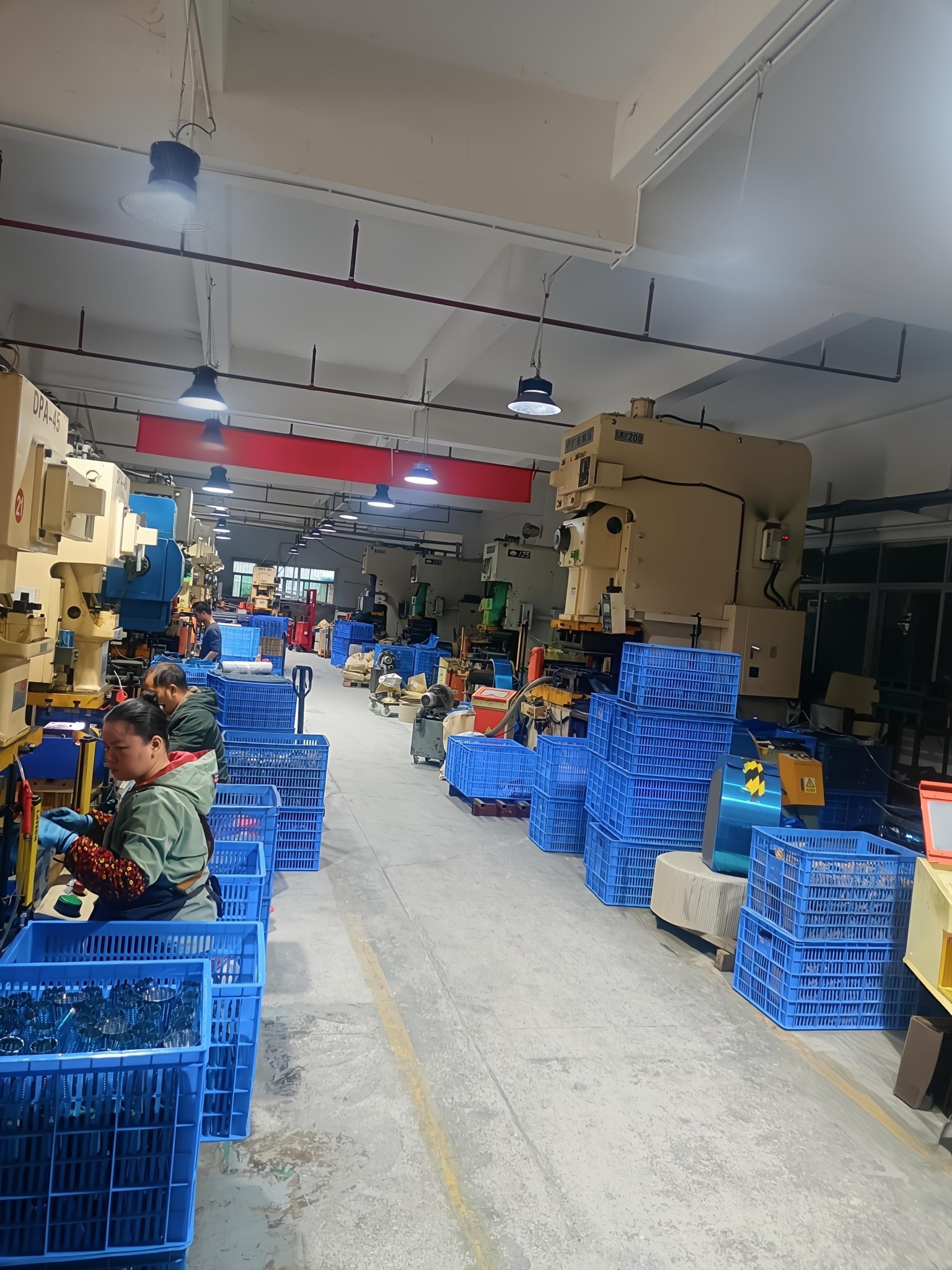
Custom metal stamping projects look simple on paper — send a drawing, get parts back. In practice, the difference between a smooth project and a painful one is usually decided before the order is placed. This checklist helps you evaluate stamping manufacturers systematically, whether you are sourcing brackets, clips, housings or complex formed components.
1. Tooling & Die Development Capability
Tooling is the heart of a stamping project. Ask whether the manufacturer designs and builds tooling in-house, and how new tooling is quoted and developed. In-house tooling development means faster iterations, better control over quality and one accountable partner for the whole tool life. For custom stamping parts, custom tooling development is the norm rather than the exception.
2. Process Coverage
Stamping rarely ends at the press. Bending, forming, secondary processing, surface treatment and assembly are often required to finish a part. A manufacturer that covers stamping, bending and forming in one place — rather than outsourcing each step — makes quality control easier and delivery schedules shorter.
3. Material Options
Confirm the manufacturer can work with the materials your design calls for: stainless steel, carbon steel, aluminum or custom materials. Material selection affects cost, strength, corrosion resistance and formability, so the supplier should be able to discuss material grades with you and source certified material for the project.
4. Quality Control System
Quality claims are only as good as the inspection process behind them. Look for a documented flow: incoming material inspection, first article inspection, in-process inspection, dimensional inspection, surface or appearance inspection, and final inspection before packaging. At Shengyue's quality control, this multi-stage approach is applied from raw material to finished products, with material certificates and inspection records available for your projects.
5. OEM / ODM Support and Drawing / Sample Acceptance
Your project will almost certainly start from a drawing, a sample or a rough concept. Confirm the manufacturer accepts drawings and samples for development, and supports OEM / ODM customization. This determines whether you get a part built to your specification or are pushed toward a standard catalog item.
6. Surface Treatment Options
Surface finish affects both appearance and performance — polishing, plating, passivation or other treatments may be specified on your drawing. Ask which surface treatments the factory can perform in-house or manage reliably, and how surface quality is inspected.
7. Production Flexibility
Not every project starts with a full container order. Some start with a prototype, some with a small pilot run, and successful products scale into mass production. A flexible manufacturer supports small and large orders, adjusts to changing volumes and keeps delivery commitments as production ramps.
8. Communication & Response Speed
Cross-border projects live or die on communication. Evaluate how quickly the supplier responds to a request for quotation, how clearly they ask about your requirements, and whether they give realistic timelines. A fast, structured project evaluation is a strong early signal of how the rest of the project will run.
9. Application Experience
Stamping experience transfers across industries, but a supplier who has produced parts for your sector understands its tolerances and expectations. Typical application areas include kitchen appliances, electrical components, automotive parts and industrial equipment — ask for relevant examples and discuss how their experience applies to your component.
10. Documentation & Delivery Discipline
Finally, confirm what documentation you receive with orders — material certificates, inspection records, dimensional reports and first article inspection records — and how the factory handles packaging and delivery. For a full view of what to expect, review our manufacturing capabilities and factory pages as reference points for a well-documented operation.
What to Include When You Send a Drawing
The quality of the quotation depends on the quality of the information you provide. A complete inquiry typically includes: the part drawing or 3D model, the material grade and thickness, critical tolerances, required surface treatment, estimated annual quantity and target delivery schedule, and any packaging or documentation requirements. If you have a sample instead of a drawing, send it — manufacturers can reverse-engineer and measure existing parts to prepare tooling.
When quantity is uncertain, say so. Suppliers can often recommend a flexible approach — for example, a prototype or pilot run first, then a staged ramp to mass production — which avoids committing to tooling cost assumptions that do not match reality.
Using the Checklist
You do not need a factory visit to apply this checklist. Send the manufacturer a drawing or sample, then work through the ten points in your correspondence: ask about tooling, process coverage, materials, quality control, customization, finishes, volumes, response time, experience and documentation. The answers will separate a manufacturing partner from a parts vendor.
If you would like a reference point for how these ten points are implemented in practice, our custom stamping page describes the process, and our team is happy to walk through any of these areas with you — start the conversation here.