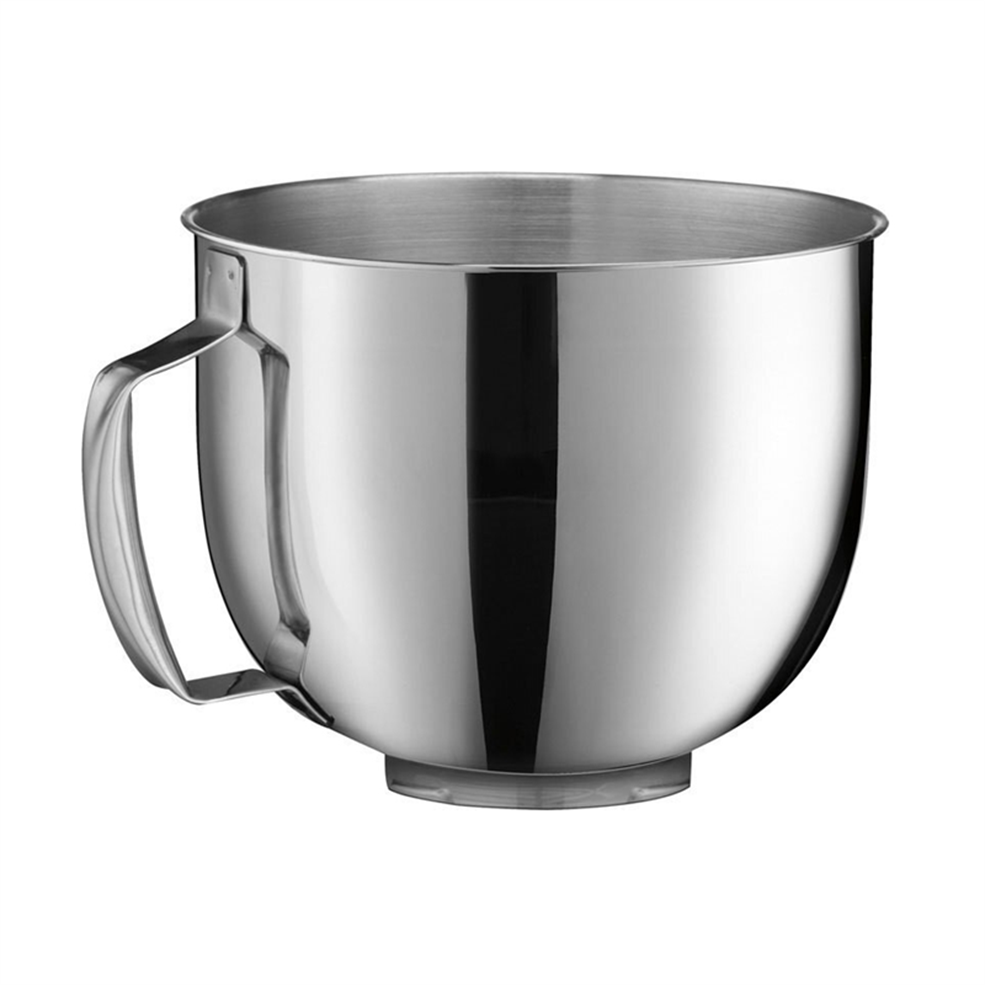
Deep drawing forms a flat sheet into a deeper three-dimensional component using tooling and controlled forming operations. It is used when a project requires a bowl, cup, housing, shell or container rather than a flat stamped part. For kitchen appliance buyers, the process is often part of a wider program that may also include stamping, trimming, flanging, piercing, welding and surface finishing.
Shengyue’s deep drawing components page covers the existing product program. This article explains the process in practical terms and connects it with kitchen appliance components and custom metal stamping parts.
What Is Deep Drawing?
Deep drawing changes the shape of sheet metal by moving material into a die to create depth. The result can be cylindrical, cup-shaped or another approved formed profile. The tooling, blank shape, material and forming sequence are developed around the customer’s component geometry.
Deep Drawing Compared with Stamping
Stamping is a broad term that includes blanking, punching, bending and forming. Deep drawing is a forming operation focused on depth and a three-dimensional wall. Many appliance programs use both: stamping may create flat features or holes, while deep drawing creates the bowl, shell or housing.
Why Stainless Steel Is Used
Stainless steel can be selected for kitchen appliance components when the program requires a corrosion-resistant metal surface, a formed structure or a particular appearance. The final grade, thickness and finish depend on the approved application and customer specification. Material selection should be confirmed before tooling is finalized.
Common Kitchen Appliance Applications
Deep drawn stainless steel bowls can serve as formed vessels or internal appliance components. Cups and containers may be used where the design requires a smaller formed cavity. Housings and shells can provide a shaped enclosure or structural surface. In food-processing equipment, formed components may also connect to filter, blade or rotating assemblies.
Food Processor and Juicer Components
Food processors and juicers often combine flat discs, cutting parts, filter baskets and formed bodies. A deep drawn component may be reviewed alongside custom food processor parts or precision filter components when the appliance uses several stainless steel subcomponents.
Supporting Operations
Deep drawing is rarely evaluated in isolation. Trimming can define the final edge, flanging can create an assembly rim, and piercing can add holes or interfaces. Stamping can support flat features. Laser welding may be considered for an approved joined structure, while surface finishing is selected according to the drawing and application.
What OEM Buyers Should Provide
Useful project information includes the drawing or sample, material preference, blank or formed dimensions, wall profile, rim and hole details, mating components, finish expectations and intended appliance. If the component is replacing an existing part, the sample helps clarify interfaces that may not be visible in a drawing.
Design Review Before Tooling
Engineering review should identify draw depth, transitions, radii, edge conditions and any operations after forming. This does not require the buyer to choose the tooling route alone. The supplier’s role is to evaluate the approved geometry and explain the manufacturing sequence before quotation.
Conclusion
Deep drawing is a practical route for stainless steel bowls, cups, housings, shells and containers used in kitchen appliances and food-processing equipment. The best OEM projects connect material, geometry, tooling, supporting operations and inspection requirements from the beginning.
Deep Drawing Design Questions for OEM Buyers
Buyers should provide the formed profile, opening requirements, rim details, joining points and mating parts when requesting a deep drawn component. The drawing should distinguish finished dimensions from material or tooling references. If a shell or housing has a visible surface, note the appearance expectations and handling requirements as well.
For a bowl or cup, depth and transition areas are important. For a housing or shell, holes, flanges and assembly interfaces may control the process. The manufacturer can then evaluate the sequence of drawing, trimming, piercing, flanging and any approved joining operation.
Why Samples Help
An existing component can reveal material behavior, wall profile and interfaces that are not obvious in a photograph. It also gives the engineering team a reference for the finished form. Samples should be accompanied by the intended application and any known changes so the supplier can distinguish a faithful replacement from a new design.
Balancing Geometry and Manufacturing Process
A successful deep drawn component balances the desired shape with the behavior of the selected sheet material and the supporting operations. The supplier reviews transitions, edges, holes and interfaces as part of the complete part. This is why a photograph can start a discussion but normally cannot replace a drawing or sample for tooling review.
For kitchen appliance programs, the formed component may need to fit a blade carrier, filter, motor housing or external cover. Mating parts and assembly direction should therefore be included in the project information. The more clearly the interface is described, the more useful the early manufacturing review becomes.
From Component Review to Production
Once the geometry, material and process route are agreed, the project can move through tooling, sample evaluation and production approval. The final inspection focus should reflect the dimensions and surfaces that matter to the appliance assembly. A disciplined review protects both the component function and the customer’s release process.