A useful quotation starts with useful project information. Whether you need custom stamped parts, deep drawn components, blender blades or food-processing parts, the supplier needs enough detail to review manufacturability before discussing tooling and production.
You do not need to prepare a perfect procurement package before making first contact. A drawing, sample or clear description can start the conversation. The following checklist helps an engineering team understand your part faster and gives you a more meaningful project review.
1. Send the Part Drawing or a Clear Reference
The most useful starting document is a 2D drawing with dimensions, material information and critical tolerances. If a 3D model is available, include it as a reference for the part geometry. Mark the dimensions that affect fit, assembly, sealing, cutting performance or other functions.
If you do not yet have a finished drawing, send a physical sample, reference photo or basic sketch. Explain what the part does and where it is used. A supplier can then identify what information is still needed for a proper engineering review instead of making assumptions.
2. Identify the Material and Thickness
State the material grade if it is already specified. For example, confirmed product requirements may involve SUS304 stainless steel for filter baskets or 420/430 stainless steel for food-processor disc applications. Other projects may require a different grade based on forming, corrosion, hardness, food-contact or cutting requirements.
Material thickness is equally important. It influences forming behavior, edge condition, stiffness, drawing stages and tooling design. If the grade or thickness is not final, say so in the inquiry rather than leaving the supplier to guess.
3. Explain the Application and Critical Requirements
Tell the supplier how the component will be used. A blade, filter basket, housing, cup or bracket may require different process decisions even when the overall shape looks simple. Include any requirements related to fit, cutting, filtration, appearance, corrosion resistance, assembly or contact with food.
Also identify critical areas on the drawing. A short note such as “the center hole must align with the shaft” or “the edge must be suitable for assembly” gives the engineering team useful context that dimensions alone may not provide.
4. Provide Quantity and Project Stage
Share your estimated order quantity or an annual volume when available. Also explain whether you need a prototype, sample, pilot batch or recurring production program. Quantity and project stage influence process planning, tooling discussions, trial production and inspection planning.
Do not wait for a perfectly fixed volume. An estimated range is more useful than no information, as long as it is clearly described as an estimate. Final tooling and production recommendations should be confirmed after the project review.
5. List Secondary Operations
Tell the supplier if the part needs operations beyond stamping or deep drawing. Depending on the project, this may include trimming, flanging, deburring, grinding, welding, surface finishing, chemical etching or assembly. A complete process view helps prevent a quotation that covers only the first forming operation.
For a juicer filter basket, for example, the project may involve perforation, deep drawing, edge flanging, welding and inspection. For a blade or disc, edge treatment, surface finish and assembly requirements may be important.
6. Clarify Inspection and Documentation Needs
If your project requires dimensional inspection records, first-article records, material information or production inspection records, mention this at the beginning. Quality requirements should be reviewed together with the manufacturing process, not added only after production starts.
Visit the quality control page to see the types of inspection documentation that can be prepared according to project requirements.
7. What Happens After You Send the Information?
A responsible project review normally considers drawing geometry, material, thickness, tolerance, expected quantity, tooling requirements and production feasibility. The supplier may ask follow-up questions, suggest a process route or identify dimensions that need clarification.
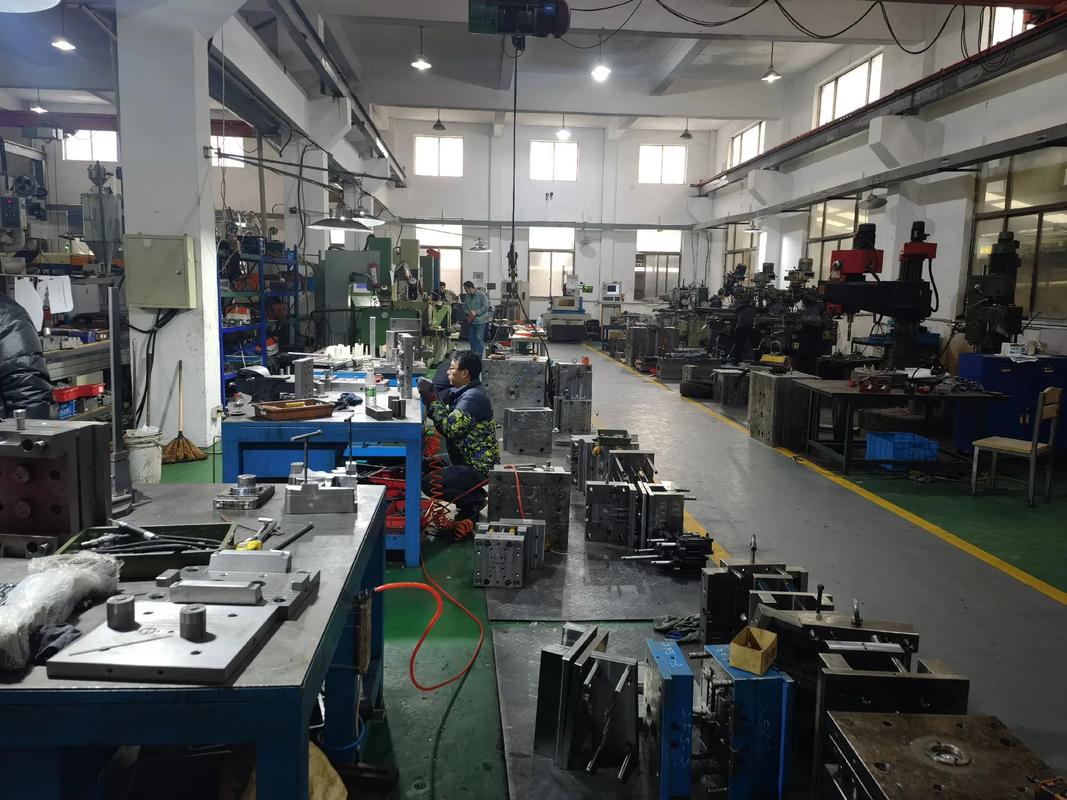
At Shengyue, the project workflow can include drawing review, process planning, tooling development, trial production, first article inspection, mass production and final inspection. You can learn more about the workflow on the factory page and the manufacturing processes on the capabilities page.
RFQ Preparation Checklist
- Part drawing, 3D model, sample, photo or sketch
- Material grade and thickness, if known
- Application and critical functional requirements
- Estimated quantity and project stage
- Secondary operations and surface requirements
- Critical tolerances and inspection documentation needs
- Target market or assembly context, when relevant
Frequently Asked Questions
Do I need a finished CAD drawing to request a quote?
No. A sample, reference photo or basic specifications can start the engineering review. A final quotation depends on confirmed project information.
What material information should I provide?
Provide the grade if known, thickness and application requirements. The final material is confirmed during project review.
Can I send a prototype or lower-volume project?
Yes. Share the expected quantity and project stage so the tooling and production approach can be reviewed for your specific project.
Have a drawing, sample or custom metal part to discuss? Send your project information for an engineering review. You can also explore all product categories before submitting your RFQ.